The History of Paper and Corrugated Board
Paper has shaped human civilization for more than two thousand years. Initially used for administrative purposes, it soon became a foundation of education, science, art, and trade. The emergence of corrugated paper shows how creativity—and sometimes pure accident—can give birth to entirely new industries, even when the original invention was meant for something completely different, such as reinforcing garments.

This story is not only about industrial development, but about continuous innovation, problem solving, and the evolution of a simple material into an essential part of everyday life.


The Invention of Paper

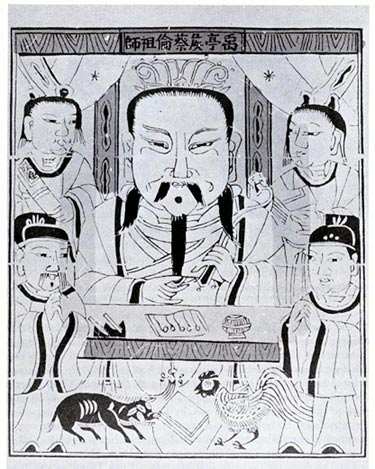
The invention of paper is traditionally dated to around 105 CE, when Cai Lun in China developed a material made from plant fibers, rags, and fishing nets—a writing surface that was lightweight, reproducible, and widely accessible.
This innovation became a turning point not only in technology but also in society: it made the recording and spreading of information faster, simpler, and far more affordable.

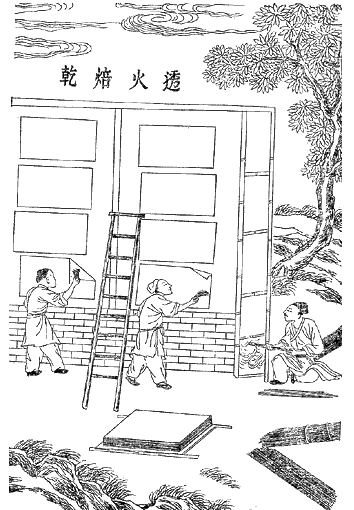
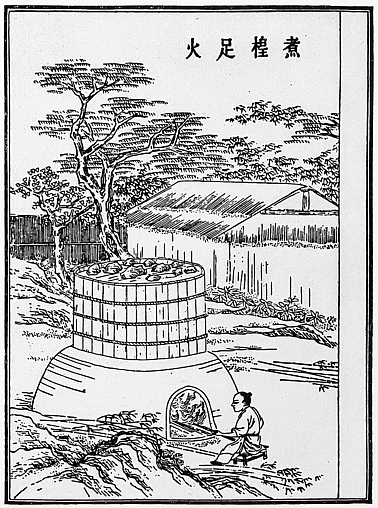
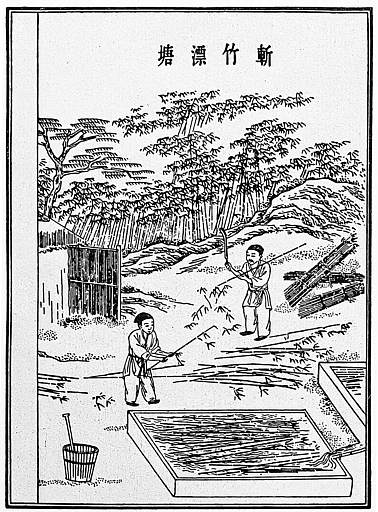
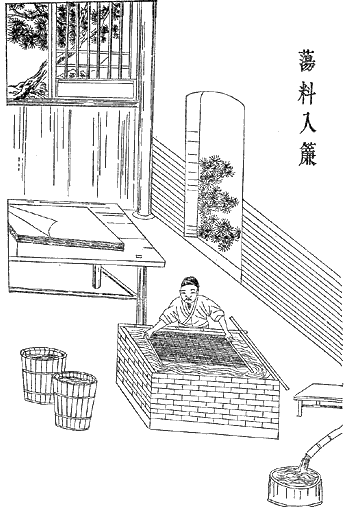
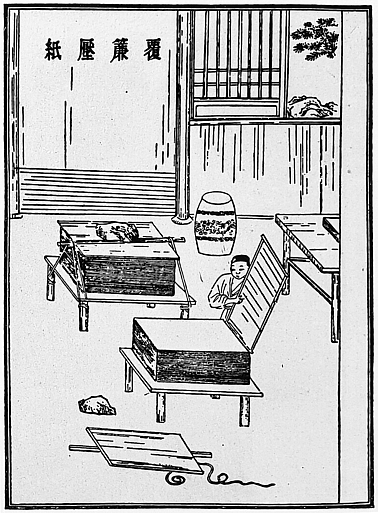
Woodcuts depicting the five seminal steps in ancient Chinese papermaking. From the 1637 Tiangong Kaiwu of the Ming dynasty. (Source: Wikimedia Commons, public domain)

The Spread of Papermaking Across Asia and the Arab World

Papermaking technology traveled along the Silk Road to Korea, Japan, and later the Arab world.
Arabic craftsmen improved the techniques, elevating both quality and consistency, helping paper become a reliable and widely used material.

This wave of knowledge‑sharing highlights how papermaking’s evolution has always been closely tied to cultural exchange and collaboration.

Paper Reaches Europe - The Dawn of Industrial Thinking

Paper appeared in Europe between the 12th and 14th centuries, first in the Iberian Peninsula and then in Italy and France.
Early European paper mills were powered by waterwheels and can be seen as the precursors of modern industrial production.

The invention of the printing press in the 15th century by Johannes Gutenberg led to an explosive increase in paper demand. From this era forward, papermaking became a crucial economic and cultural industry.

Papermaking in the Industrial Revolution

By the late 18th and 19th centuries, papermaking entered a new era.
The introduction of continuous papermaking machines and steam power enabled mass production. Wood‑based paper replaced the earlier rag‑based raw material, ensuring scalable and long‑term supply.

These technological leaps also raised new questions:
How can we produce responsibly at large scale?
This dilemma remains central to the paper industry today.

The History of Corrugated Paper – An Innovation Born by Accident

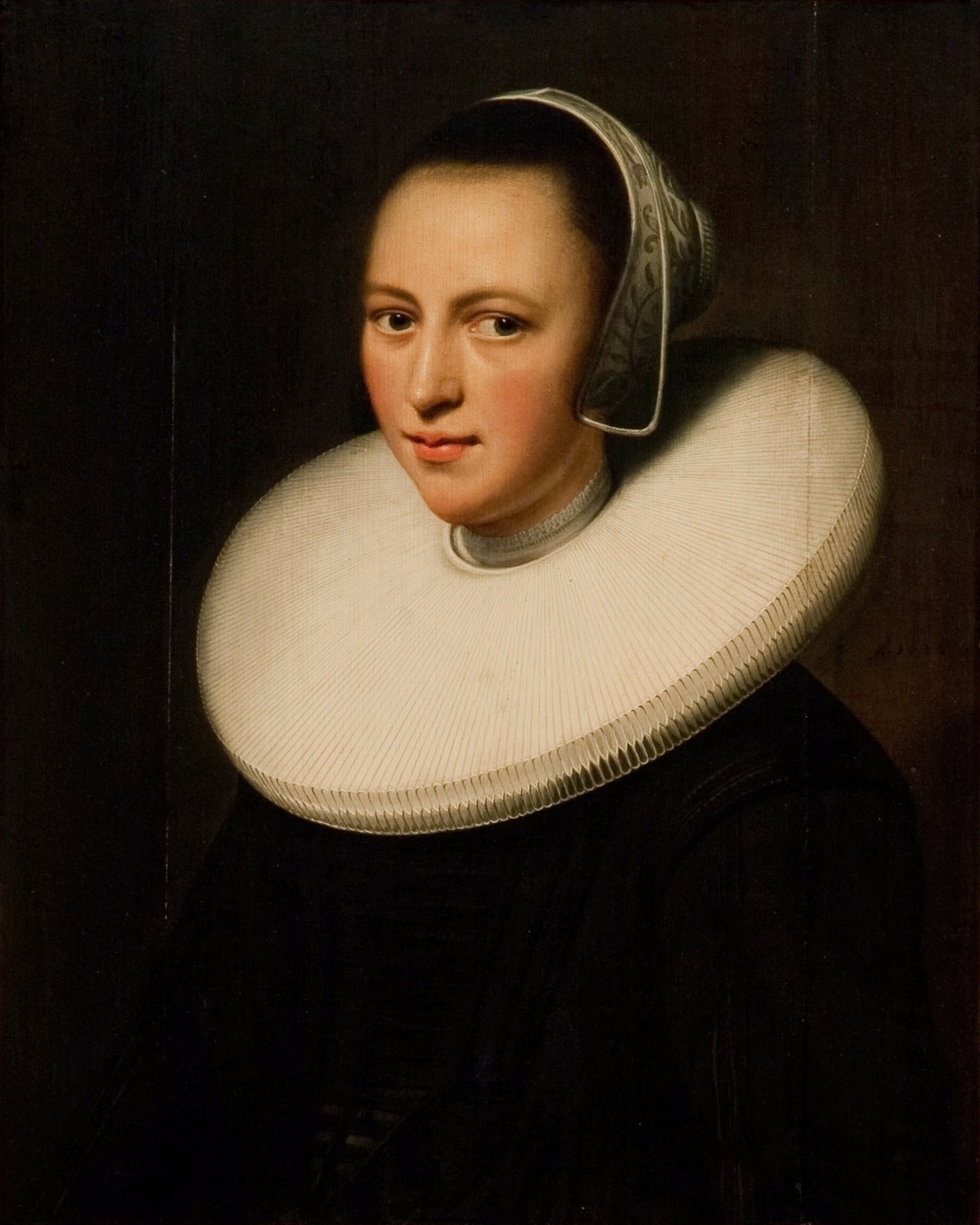
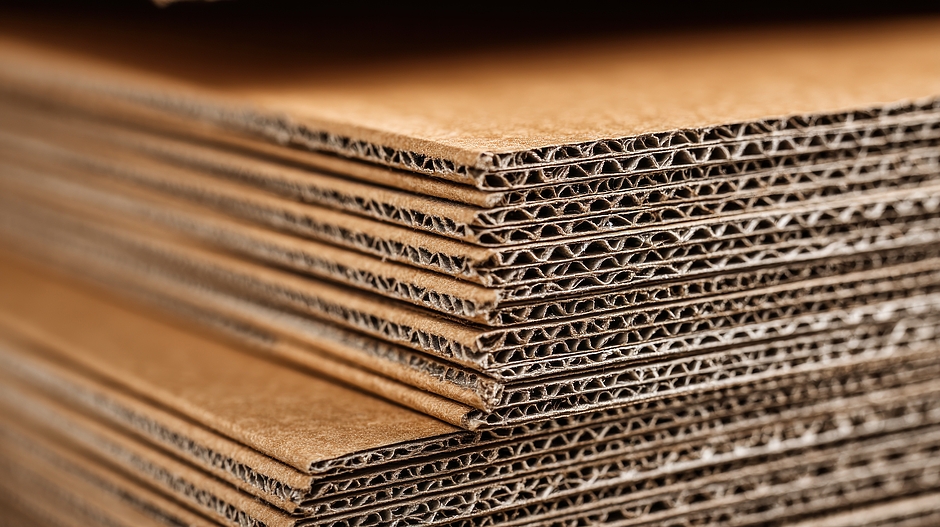
Corrugated (fluted) paper was patented in 1856 in England, originally intended for reinforcing collars and top hats.

A few decades later, manufacturers recognized that the fluted structure was both lightweight and strong.
By the 1870s, two‑ and three‑layer corrugated board entered the market and laid the foundation for modern packaging.
Corrugated board quickly became indispensable in trade and logistics.

Interesting Facts from the History of Paper and Corrugated Board
  1. Corrugated paper was not created for packaging. The 1856 British patent aimed to reinforce ruffs and hat interiors.

  2. Medieval paper was often recycled. Old manuscripts were soaked and repulped to create new sheets.

  3. The first corrugated boxes were handmade. Standardized box production became common only in the early 20th century.

  4. Paper was the first global “information platform.” Combined with printing, it enabled mass education and scientific progress.

  5. Paper is one of the earliest industrially recycled materials. Medieval papermakers routinely reused rags and old writings.
Standardization and the Global Rise of Corrugated Packaging

In the early 20th century, standardized flute types, box constructions, and quality expectations were introduced.
This standardization allowed global trade to operate with consistency and reliability.
Paper and Corrugated Board in the Circular Economy

By the late 20th century, recycling became increasingly important.
Paper and corrugated board are among the few materials that can be efficiently and industrially recycled at scale.

In paper manufacturing, the circular economy is not a theory—it's a decades‑long practice.
Renewable raw materials and recycling together remain a competitive advantage for the industry.

The Present and Future of Papermaking

Today, paper and corrugated board production is data‑driven, automated, and tailored to customer needs.
Paper is far from being a material of the past—it is a continuously evolving pillar of modern industry.

Its history shows that long‑lasting solutions emerge when tradition, innovation, and responsibility meet.

Key Milestones in the Development of Paper and Corrugated Board

105 CE – The invention of paper in China
Cai Lun creates paper from plant fibers, rags, and nets—revolutionizing information recording.


7th–9th centuries – Spread across Asia
Papermaking reaches Korea and Japan, evolving into refined hand‑crafted papers.


8th–12th centuries – Through the Arab world to Europe
Arabic papermaking becomes more industrial, gradually replacing parchment.


12th–14th centuries – European papermills
Water‑powered mills appear in Spain and Italy.


~1450 – Invention of printing
Gutenberg’s press drives exponential paper demand.


18th–19th centuries – Industrial Revolution
Continuous papermachines and wood‑based pulp transform production.


1856 – Patent for corrugated paper in England
Healy and Allen develop fluted paper for hat stiffeners.


1871–1890 – Corrugated board used for packaging
Two‑ and three‑layer boards improve shipment safety and efficiency.


Early 20th century – Standardization
Box styles, flute types, and quality standards appear.


From the 1970s – Recycling boom
Paper recovery and circular processes expand.


21st century – Digitalization
Smart manufacturing, data‑driven design, and customized packaging solutions define the industry.